

Trinity Mouzon Wofford wants to make eating a mindful practice
The founder and author on her new cookbook, component cooking, and more.

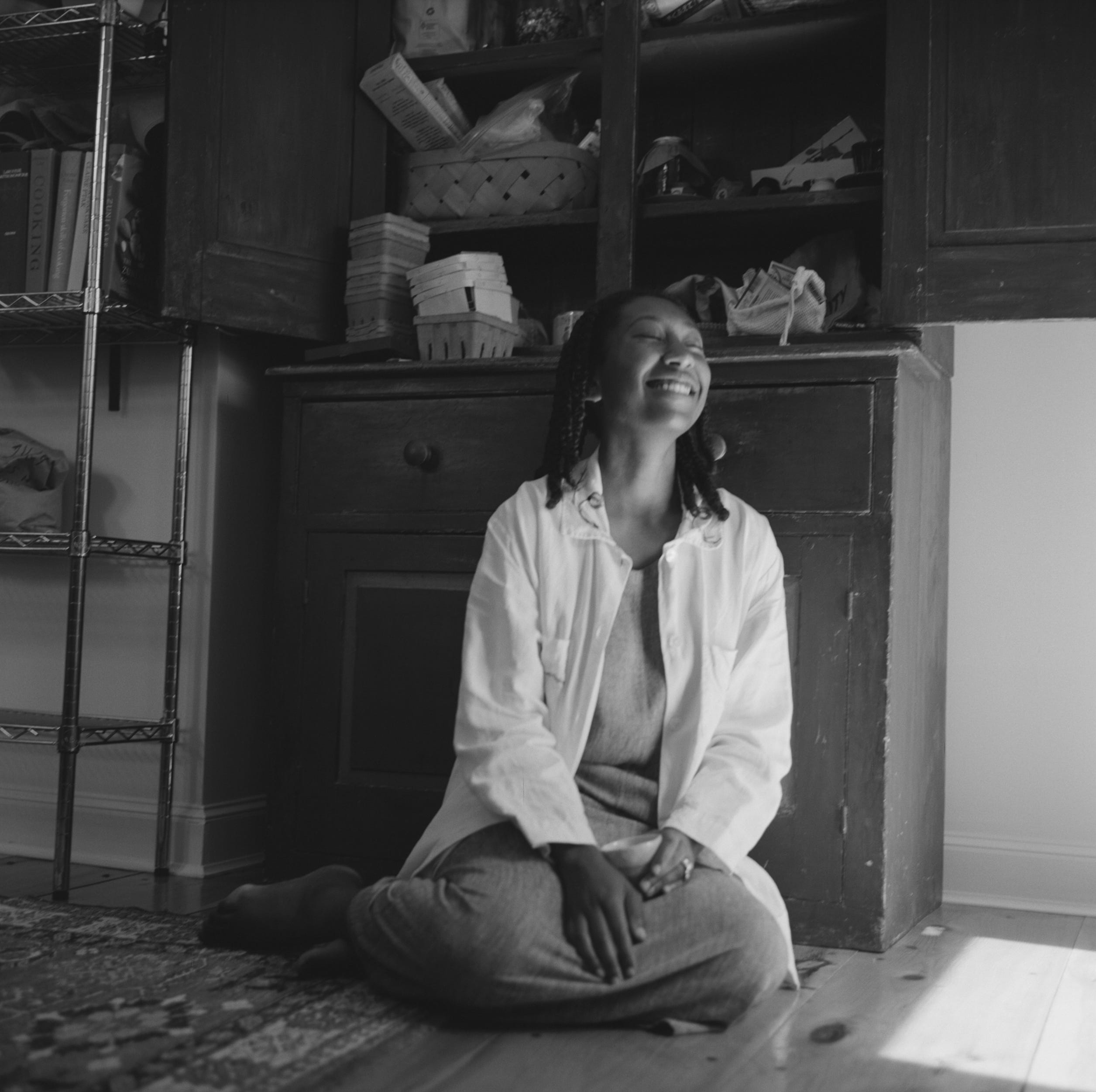
Trinity Mouzon Wofford is the co-founder of Golde, a company making superfood essentials born from an interest in holistic health and wellness. Her and her husband blended the first products by hand, and during Covid, the company really took off. It was during that time that Trinity needed practices to remain grounded. She began focusing on eating as a mindful practice and her new cookbook Eating at Home, came out of that mindset.
I chatted with Trinity about her new cookbook, component cooking, and how she hopes people will use her book.
Brianna Plaza: Can you tell me about the inspiration behind the book?
Trinity Mouzon Wofford: I didn’t really intend to write a cookbook, but the woman who ended up being my literary agent reached out because she heard about the work I was doing and was interested in a wellness for all cookbook. I was in the thick of my business, pregnant with my first kid, and proudly a home cook, so I didn’t think it was a good time.
But I just kept taking the next step forward and seeing where it would lead, and before we knew it, I was writing the proposal. As I put together my ideas of what really mattered, the things I kept saying were to go to the farmers’ market, eat more locally, and practice a reverence for mealtime. But what if we’re all busy and we can’t? That friction point was what ended up birthing the idea for the book.
Brianna Plaza: Tell me about your component cooking philosophy.
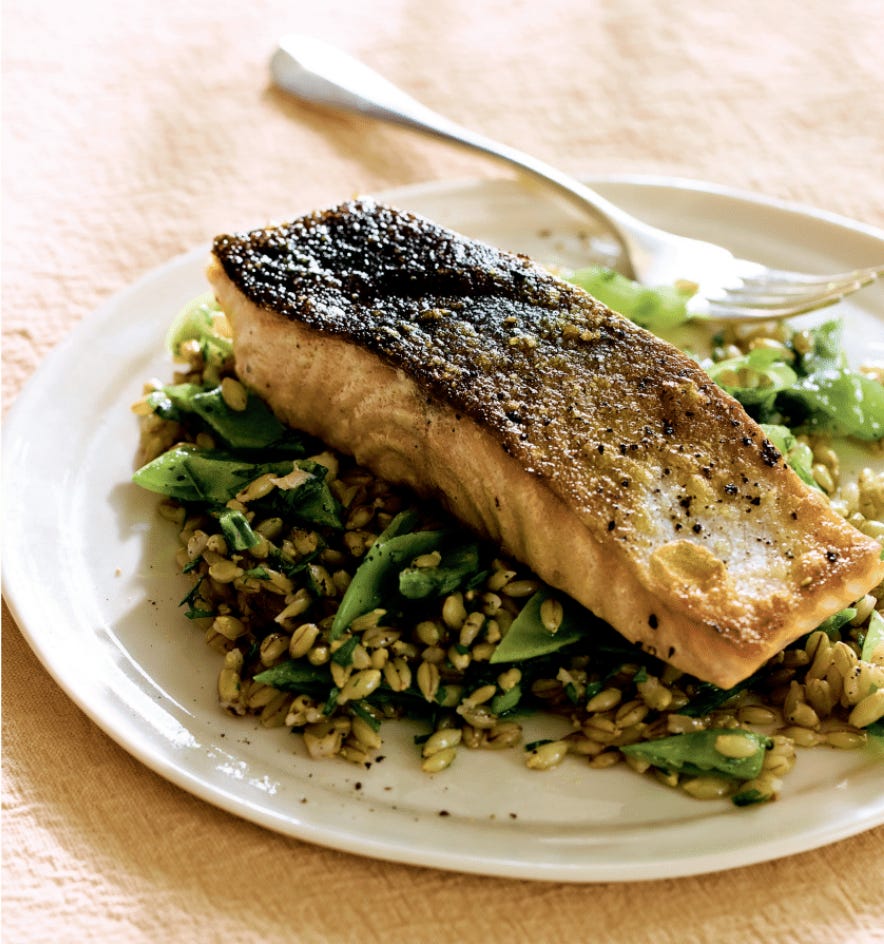
Trinity Mouzon Wofford: Component cooking is my answer to meal prep. Whenever I picture tupperware filled with turkey breasts and green beans, I get a visceral reaction. That does not work for me. So what I’ve developed over time is that I take a quiet day at home and do things like blanching all the vegetables that are in the fridge or cooking a big pot of dried beans. What that allows me to do is that on a day when everyone’s hungry and it’s late, I start with these building blocks that have gotten me 50% of the way there. So the cooking you’re doing when you’re trying to get across the finish line is more about assembly, so there’s an ease to it.
But at the same time, you’re eating something that has a lot of cooking hours baked into it, so it feels nourishing and really lovely. One of my favorite meals is to take the brothy beans you already made and cook them with some pasta and herbs. It gets you out of the frantic experience of trying to cook completely from A-to-Z in one instance.
Brianna Plaza: How do you hope people use the book in their day-to-day life?
Trinity Mouzon Wofford: There are a lot of different places in the book where I touch on making meal time a little bit more of a ritual, and making grocery shopping that way. The feedback I’ve gotten so far is from anybody who is feeling like they are drinking from the fire hose and have said to me that reading the book reminded them they could slow down. We are in a cultural moment where we believe we can slow down once we have achieved enough. That’s the final win at the end of the finish line, but along the way, we miss out on a lot.
It’s been very special to see people cooking recipes and telling me what they’ve loved and learned. I would love for the book to just inspire people to remember that they can take whatever they have in front of them and make it a moment worth being in versus a moment they are trying to escape from.
Brianna Plaza: Practices like shopping in bulk or cooking with the seasons might feel radical or unachievable to some folks. Where’s the one place you would start?
Trinity Mouzon Wofford: I’m a recent convert to the bulk aisle. I found that when you hear bulk, you think Costco or BJs and the 36 rolls of toilet paper. But it can literally be an old jar that you wash out and bring to the store and get the exact amount of peanuts you’re looking for.
Most of what you pay for is a product’s packaging, so we’re all dealing with this massive sticker shock every week at the grocery store. It takes a little bit of planning, but if we can organize in advance and get all my jars together, you can go buy the amount of dried beans that you need for your household and it will be pennies on the dollar compared to trying to purchase the things that have a brand name on them already.
Brianna Plaza: I am not a typical consumer of the wellness industry. How do you think about that world?
Trinity Mouzon Wofford: I think that the wellness industry has increasingly gone in the direction of a commodity that can be shellacked with a luxury label. I think we’re a little too caught up with the idea of something being organic or having the right macros as the pinnacle of health. What I’m more concerned with is do I genuinely know where any of this stuff came from? Did I eat it in good company? Did I sit down and chew the food or was I scrolling while eating?
Some of the best pieces of wellbeing don’t cost any money. It’s practices that are innate to us but have been scrubbed from our brains as we have learned to worship productivity at all costs. We live in this village of 1,500 people. In the afternoon we go on walks, I’ve become friends with our neighbor who is a gardener and the kids go over and run through his raspberry bushes. My husband bakes bread and we trade loaves for veggies. I had been caught up in this idea of self-reliance and I ended up realizing it wasn’t about me having everything perfectly lined up.
What I mean to say is that I think a lot of wellness is what we’ve been marketed, but it’s more about checking in with our humanity and following that instinct.
I find that cooking for just myself now most days, involves having ingredients prepared or half way there such as chicken breasts cooked using souix vide method, lets me be prepared to make a meal with time to enjoy the process. Turning ingredients into a meal to enjoy can be a very mindful opportunity. We live in a world that is moving so fast, it's hard to enjoy the quiet moments wherever we find them.