

Salads aren't boring
You're just not good at making them.


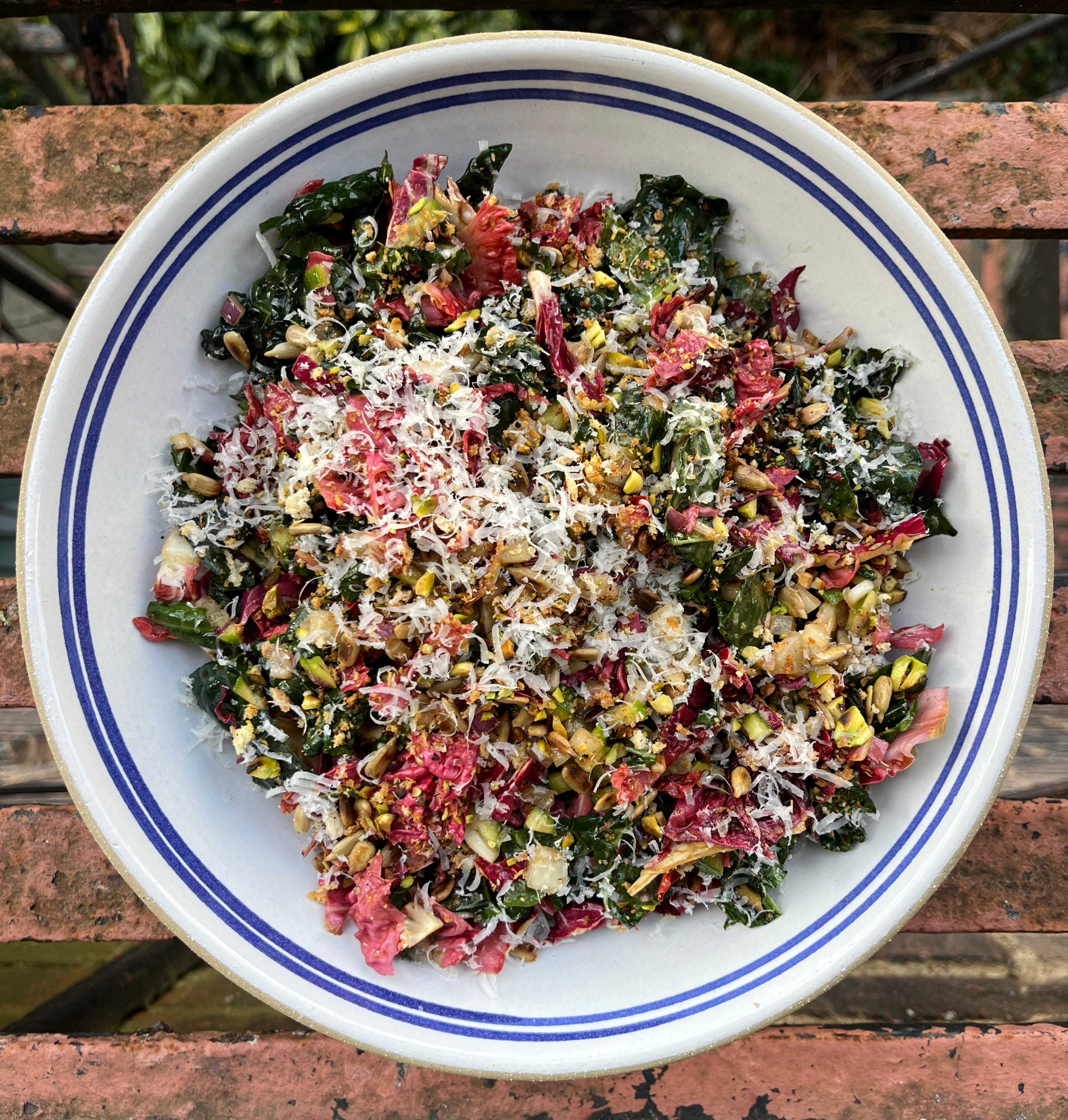
Salads sometimes get a bad rap, but I have to admit something: I unapologetically and unironically love salad. I grew up in a salad with most meals family, and as an adult, I eat salad for (or with) a handful of meals a week. I love that they’re endlessly customizable and because they largely depend on what I have on hand, no two salads are alike. It’s a meal I look forward to and never tire of.
The biggest complaint I hear about salads is that they’re boring and sad, but I am not sure those people have ever had a good salad. Store bought dressings are usually not great and pre-bagged lettuce can leave much to be desired. Good salads demand bold dressings, a variety of textures, and a striking blend of vegetables to make them interesting and delicious.
When I make a salad, I generally follow a set of “rules” that guide me toward salad greatness. Rules that are meant to be broken and adapted to your tastes and mood. Rules that become so second nature that you’ll wonder why you ever bought dressing.
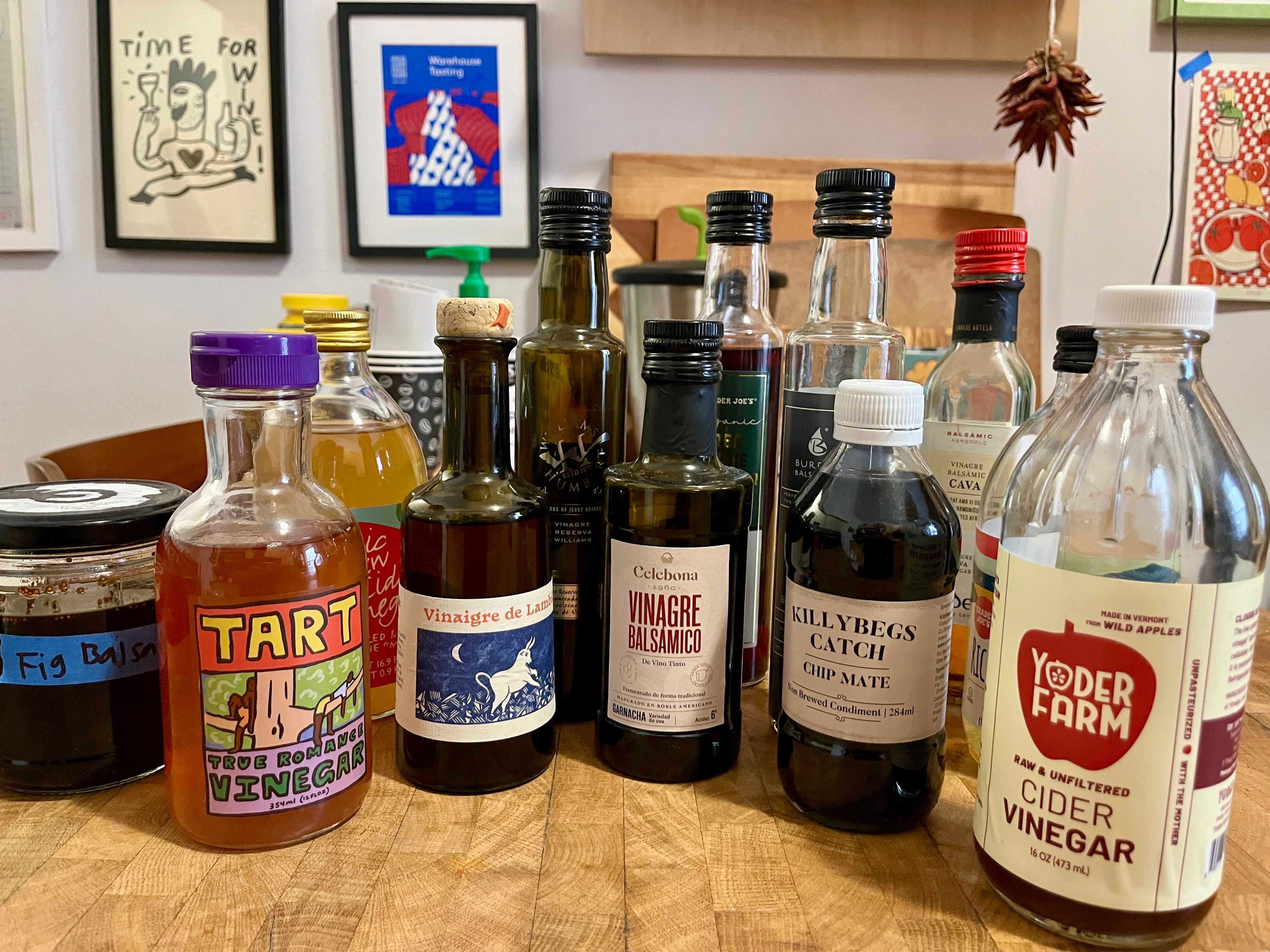
Build out your core vinegar collection. Balsamic and red wine vinegar are essential, but a good apple cider or rice wine vinegar can take you pretty far. I always have lemons on hand and I use them a lot in salads, and oranges are great in dressings too.
Seek out interesting vinegars. I’ve started buying vinegars as a travel souvenir and my collection now includes an heirloom apple cider vinegar from Vermont, sherry and cava vinegar from Spain, and a lambic beer vinegar from Brussels. Specialty stores and local markets are good places to start.
Play around with vinegar combos. You don’t have to use only one vinegar, and some of my best dressings have been a combo. Sherry vinegar + apple cider vinegar. Apple-infused balsamic + lemon. The possibilities are endless.
A little bit of mustard acts as an emulsifier to better blend the oil and vinegar.
But also think beyond mustard. Miso and Indian chutneys are emulsifiers too.
Salad needs crunch. It can come in a variety of forms, but crunch adds essential texture. Think bread crumbs, nuts, or crunchy vegetables.
Add a touch of sweetness by using maple syrup or agave nectar.
Change up your lettuce by adding kale, bitter greens, herbs, or micro greens to introduce different flavors and additional textures.
Use your best olive oil. A salad dressing is where you’ll taste the olive oil the most, so use the best you can afford.
Salt, spices, and aromatics are essential. A healthy pinch of salt helps bring all the flavors together, but dried herbs and garlic are also nice additions.
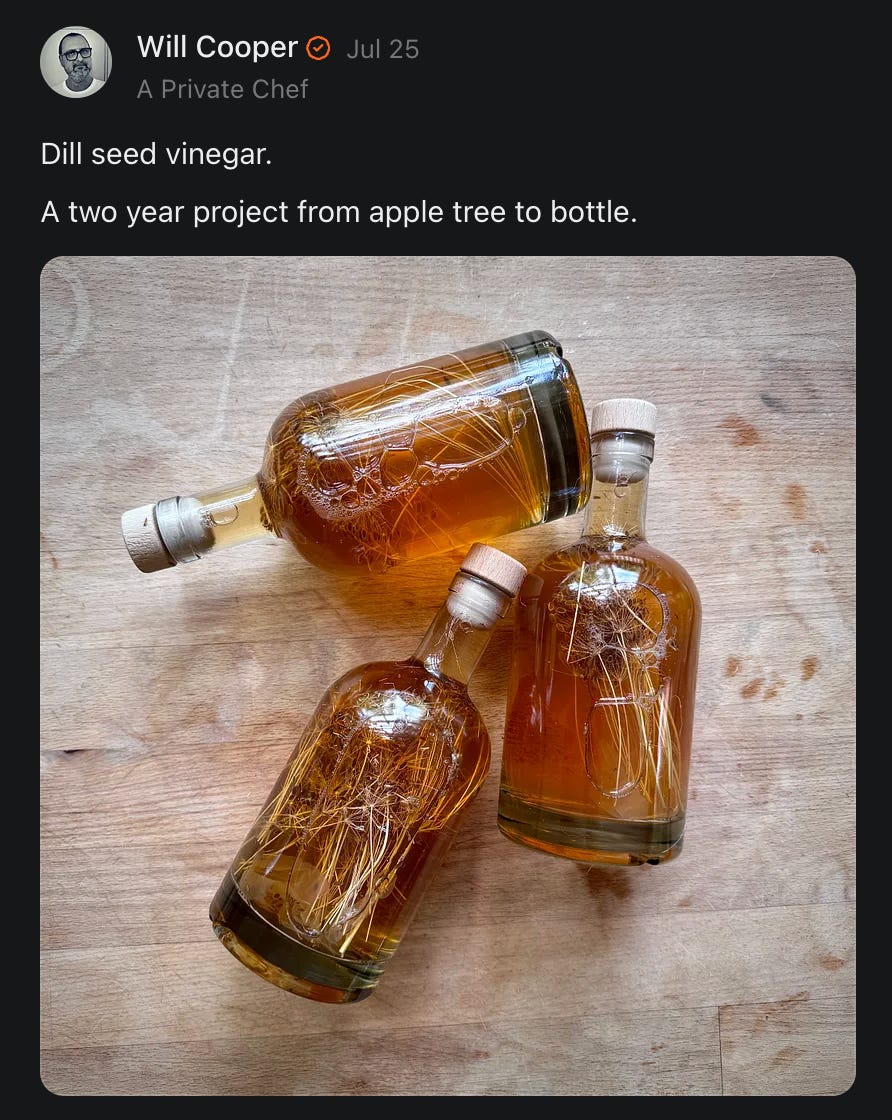
When I was thinking about this issue, I knew I wanted to reach out to Will Cooper, a private chef for an ultra high net worth family living on a sprawling estate in the English countryside. As part of their daily meals, he makes the cheeses, breads, cured meats, and vinegars from ingredients grown and raised on the property. He’s a master of flavor and I needed to know more about his vinegar making process.
For the curious amongst you, using fruit, botanicals, and herbs to flavour vinegar is a technique that many of us use in dish development. Quite simply, you need a good quality vinegar and something with a good flavour profile to enhance it.
Your vinegar should be neutral like apple cider vinegar or white vinegar (a note: balsamic works too). And the trick with flavouring is to find an ingredient or combination that you like and to simply let them sit in a jar in a cool dark place for as long as you can manage to be patient.
Most recently I used the last of the Yellow Pershore plums from one of the trees here to flavour a few litres of apple cider vinegar, and now even after a week, a deep golden colour has developed, rich with the smell of fruit. You can use fruit, seeds, and flowers to flavour vinegars — all very different but they all have their uses in the food that I work with, whether that’s dressing vegetables, deglazing pans of roasted meats, or as an addition to desserts.
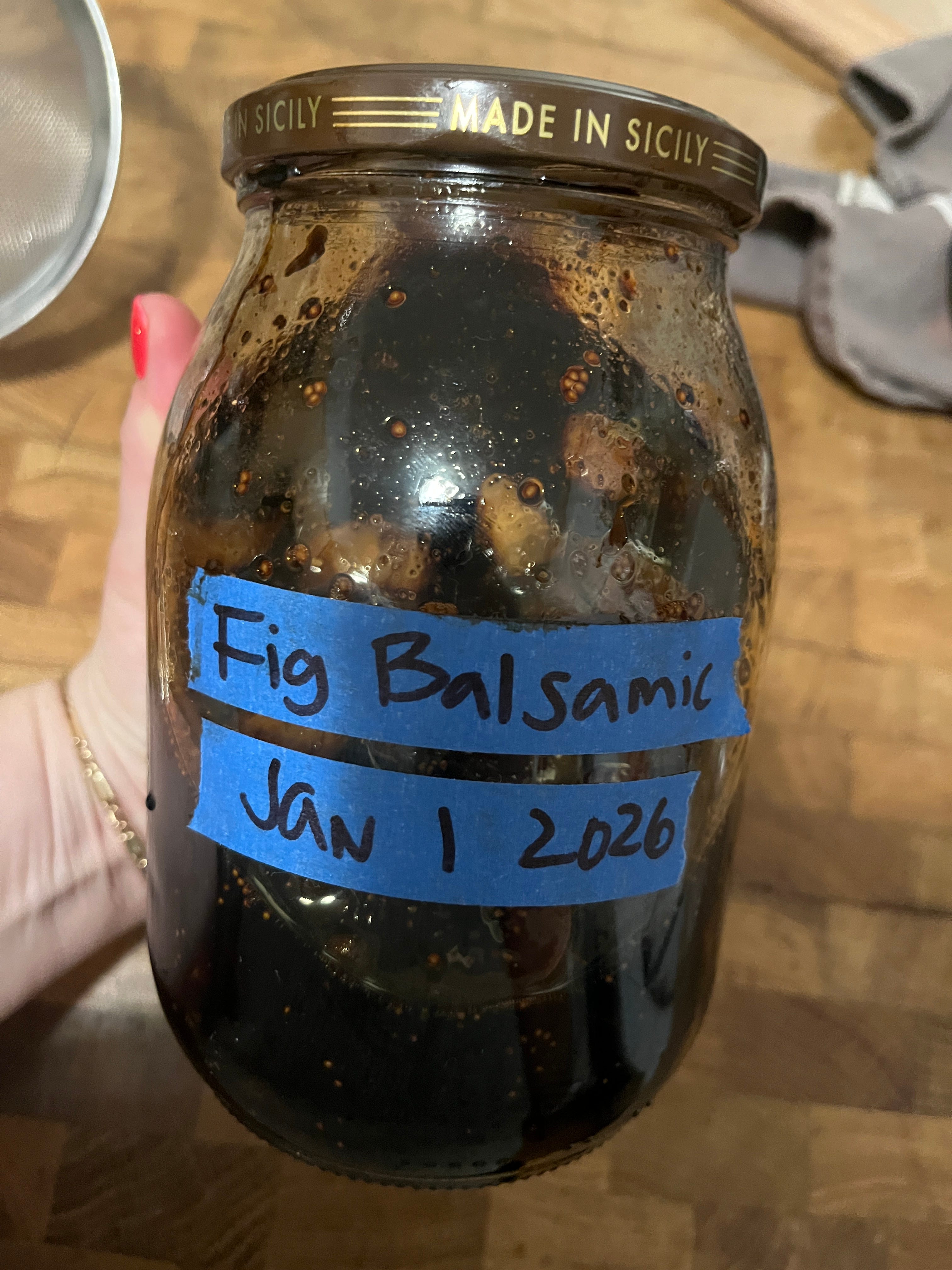
Chicory salad with fig-balsamic vinaigrette

 | A guest post by
|