

Robert Andreozzi wants more competition in Providence
The chef and restaurant owner on the city’s changing and growing food scene.

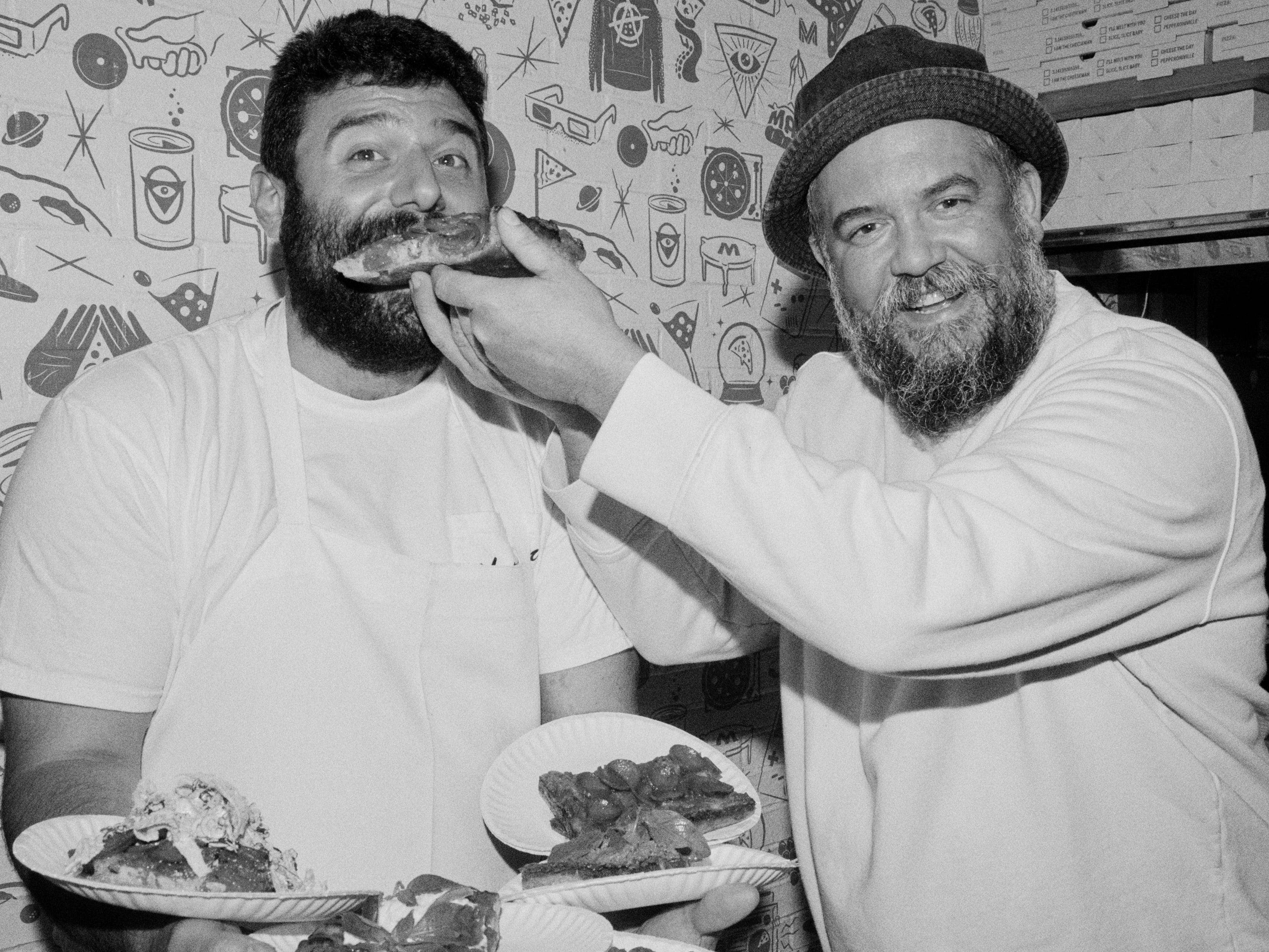
Robert Andreozzi is the Providence-based chef and co-founder of Pizza Marvin and Club Frills. Before opening Club Frills and Pizza Marvin, he worked across the United States and in Italy, and is bringing what he learned back to his restaurants in Rhode Island. I met Robert when I visited Providence in late 2025, and more recently, we sat down to talk about how he thinks about Providence’s growing and changing food scene, and where his restaurants fit into that.
Brianna Plaza: Can you tell me about your background?
Robert Andreozzi: I went to a traditional college and I had thought about culinary school but my parents told me absolutely no way. But as I started to think about what I was going to do with my life, I started thinking seriously about culinary school. I went to Johnson and Wales in Colorado, and after nine months there, I worked at Blue Hill at Stone Barns, and then at El Post in New York City for a few years. That took me to Italy, and then back to Colorado, and I made my way back to Rhode Island in 2017.
I opened up a restaurant in 2018 and learned a lot about restaurants and partnerships throughout that process. Eventually I moved on and opened up Pizza Marvin in 2020.
Brianna Plaza: Why was a cocktail bar the next step after a pizza shop?
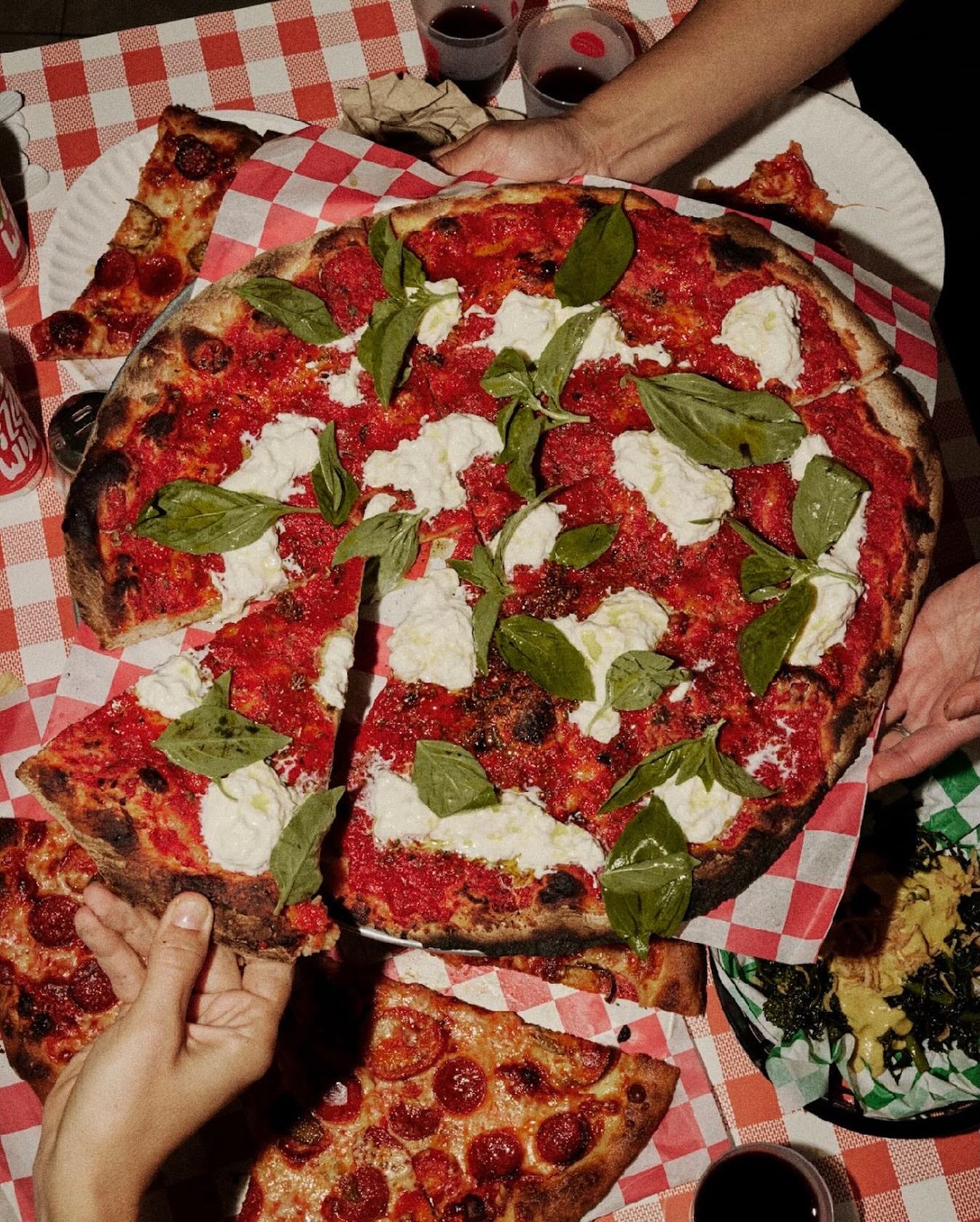
Robert Andreozzi: It’s not to say I hate pizza — I don’t hate pizza - but I don’t consider myself someone who is particularly thrilled with the dough making process. Pizza Marvin was an amazing business opportunity that was more about memorializing my partnership with Jesse Hedberg and an ability to work through COVID. We opened in December 2020. It was obviously a weird time but the economics of the deal were really strong.
It’s been my goal to own a restaurant group that changes the way that Rhode Islanders think about dining, and bringing back what I’ve learned in other cities. I want to have an impact on the food and beverage landscape in Rhode Island. It’s a bit self-serving, but I want to be able to go out and enjoy these places and be proud of them.
It blossomed into something a lot larger than we ever imagined and it took us a minute to stabilize ourselves. From the beginning, Jesse and I had been pretty aligned about what our goals were in working together and what types of restaurants we wanted to open. I just never imagined that opening a pizzeria in our community was going to be our foundation. If you can open a place that becomes your foundation, you can take more interesting risks in the future.
Frills was about celebrating Jesse as this creative figurehead and building around that. Without Marvin, I don’t think we would have been able to afford some of the equipment at Frills or take some of the creative risks we have. It’s not to say it’s Frills is a vanity project, but we’re more interested in pushing the scene forward in an impactful way.
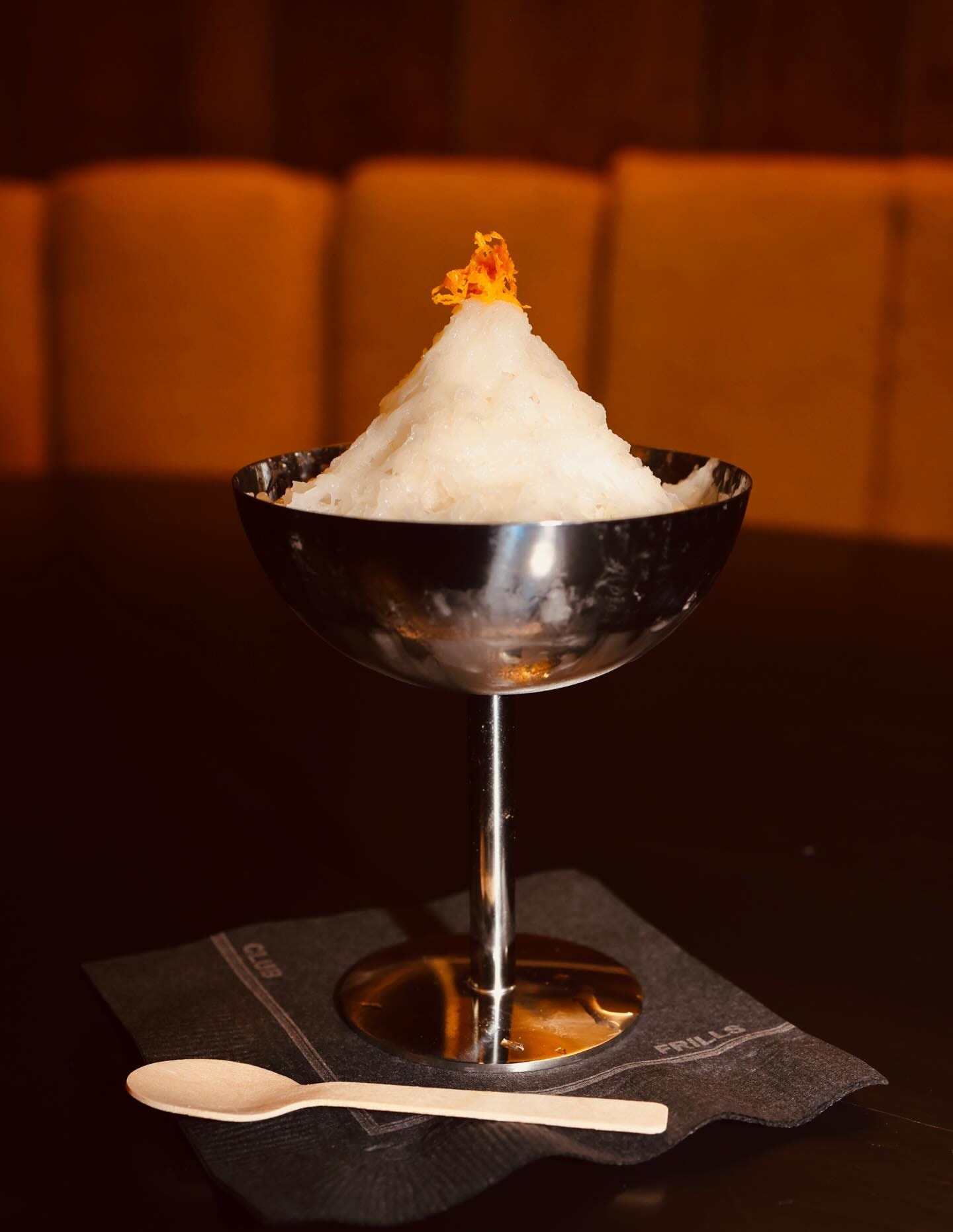
Brianna Plaza: Club Frills felt more interesting than any other cocktail bar I’ve been to in a while. How do you think about menu development?
Robert Andreozzi: Jesse is our creative director and what drew us together is that we have a shared sense of creativity, but Jesse’s imagination is elite and anyone who has worked with him would say he’s a gift. I’ve learned a lot about what it means to work with a creative and what works and what doesn’t. We’re sometimes still figuring that out because structure can feel quite stifling for someone who has a different creative process than I do.
At Frills, we haven’t had a lot of turnover on our menu since because it’s been a lot about strengthening our systems. Drinks have come and gone, sure, but we’ve worked for formalize a R&D process where anyone from the team can submit an idea. We all sit down and discuss and decide what’s worth exploring. We really have to give some direction and say, what are the boundaries we can work within? If things are too open-ended, you can get lost in the creative process for too long. It’s also thinking about how to maximize all of our equipment. Putting things in a box and trying to bounce into the walls and corners helps with our creative process.
We’re never really worried about making something not delicious. There’s enough people who have discerning palettes on the team where nothing bad is ever going to go out.
Brianna Plaza: You talk about changing the way Rhode Islanders think about dining. How will you lead that charge?
Robert Andreozzi: New York isn’t a fair comparison because it’s New York. But everyone takes so much pride in their neighborhood and good quality rises to the top in a very meaningful way that it doesn’t here in Rhode Island. We tend to celebrate mediocrity in a way that maybe other cities don’t. But I think that’s why I’ve liked settling here in Providence because the diner here is becoming a lot more educated. That allows us to take more risk. But I think that people’s version of fine dining here in Rhode Island is still pretty basic. People are very value-oriented here.
My goals are that people are more in tune and proud of our food systems. Local isn’t always the best option, but I think we should be celebrating our local farms and getting out and going to the markets. I think the best restaurants celebrate great quality, great sourcing, and great practices. I envision a scene where there’s a lot of competition, and I am not continuing to go to the same few restaurants every time I go out.
Brianna Plaza: Do you think the market can support that interest?
Robert Andreozzi: I think so, but Rhode Islanders are just really averse to change and slow to adapt. But I think competition is great because then the middle starts to look a lot different. Some restaurants are celebrated and I’m like are you kidding me? But if in 10 years, that becomes the worst restaurant, maybe that’s an incredible thing.
Every restaurant serves a different purpose, we all know that. But I use the example on our street. A bar just went out of business and we’re hoping a cocktail bar goes in there. That might seem like a wild thought, but we understand that people aren’t sitting at Club Frills for a few hours, it’s a stop along the night. You can create a cocktail trail and utilize the neighborhood. We need to do a better job of concentrating our offerings so that if one has a wait, you can just go down the street. We need to stop being afraid of competition.
There’s a lot more collaboration and support in the restaurant industry than maybe 10 years ago. I think people are realizing a rising tide lifts all boats. We need peers that prop you up and are not looking to have the same dinner three times a month. Diversity is good.