

Claire Wadsworth and Nikki Hill's cookbook is an archive of their restaurant's first decade
On their style of California cuisine and showing up for themselves and their community.


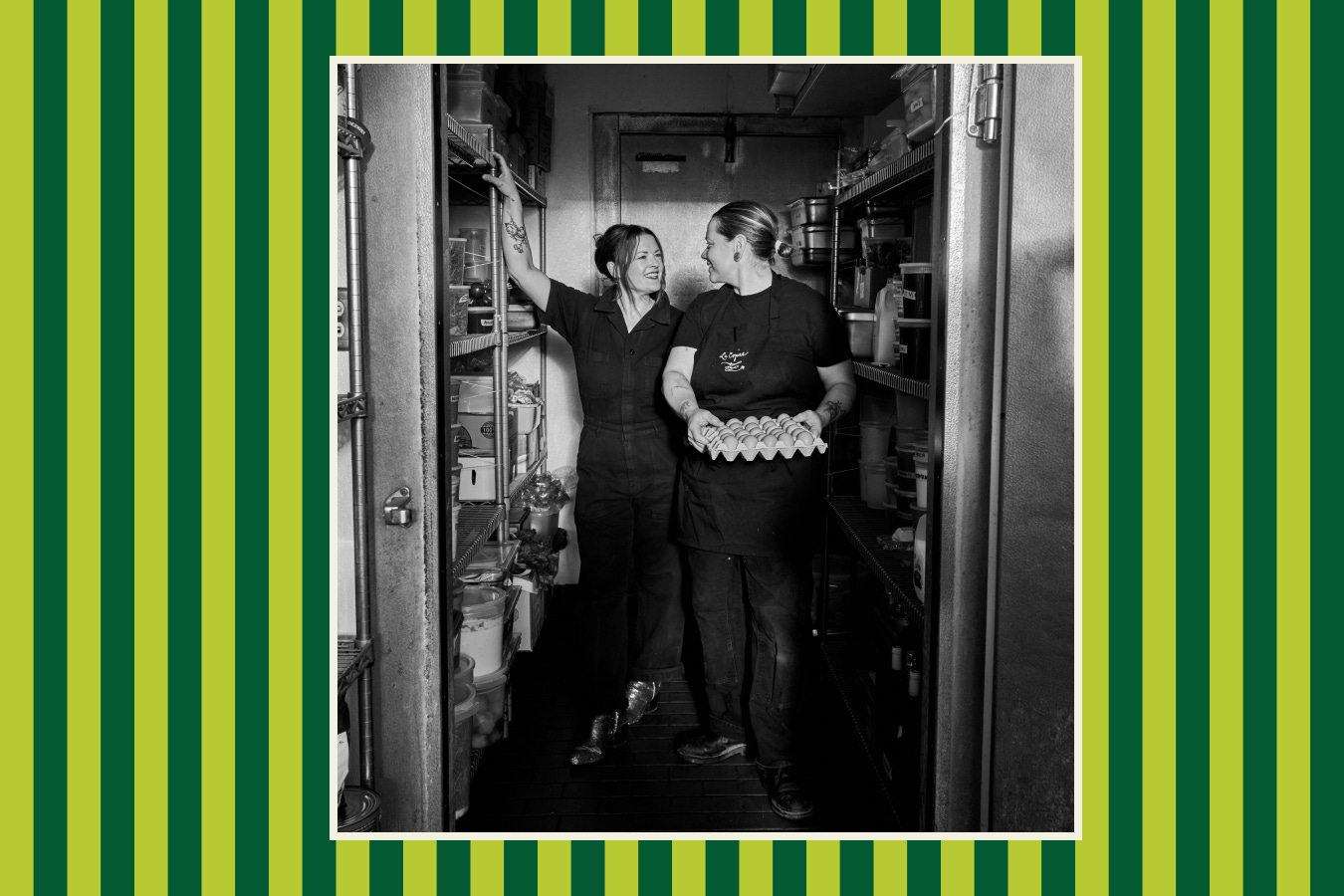
Claire Wadsworth and Nikki Hill are the co-owners of La Copine, a restaurant in California’s Yucca Valley. They recently published a cookbook of the same name with recipes and stories from their first decade of running the restaurant.
I chatted with them on why it was the right time for a cookbook, their style of California cuisine, and showing up for themselves and their community.
Brianna Plaza: Can you both give me a quick intro and tell me how you came to be running a restaurant in the desert in California.
Claire Wadsworth: I run the front of house a La Copine. Nikki and I met in Philly 17 years ago at a dinner party and we have been trying to recreate that night we met ever since. We moved to California so we could get legally married in 2012, found our way to the desert in 2015, and the rest is history.
Nikki Hill: I’m the chef of the restaurant and we’re owners together. I had a lot of experience opening restaurants for other chefs, so when we met each other, we wanted to do everything together. We started La Copine as a food truck in Philly. It was a brunch popup and we came up with the name La Copine then. Claire was teaching music and working a recording studio and I was working for other chefs. We did La Copine as popups and did some catering — we kept our business afloat in the background of our regular jobs.
We found a place in Mar Vista that we were considering opening. We almost signed a lease on it and decided to take a trip to the desert.
But then we took that fateful trip to the desert and everything changed. We came across a restaurant that had not been in use for about 10 years and was used for sporadic catering. The health permit was valid on it, which was a game changer. All we had to do was transfer ownership. We just had to take the risk to see what happened. A lot of our friends were nervous because we were leaving these good jobs to go to the middle of nowhere. But we felt like we could do anything and were willing to take that risk.
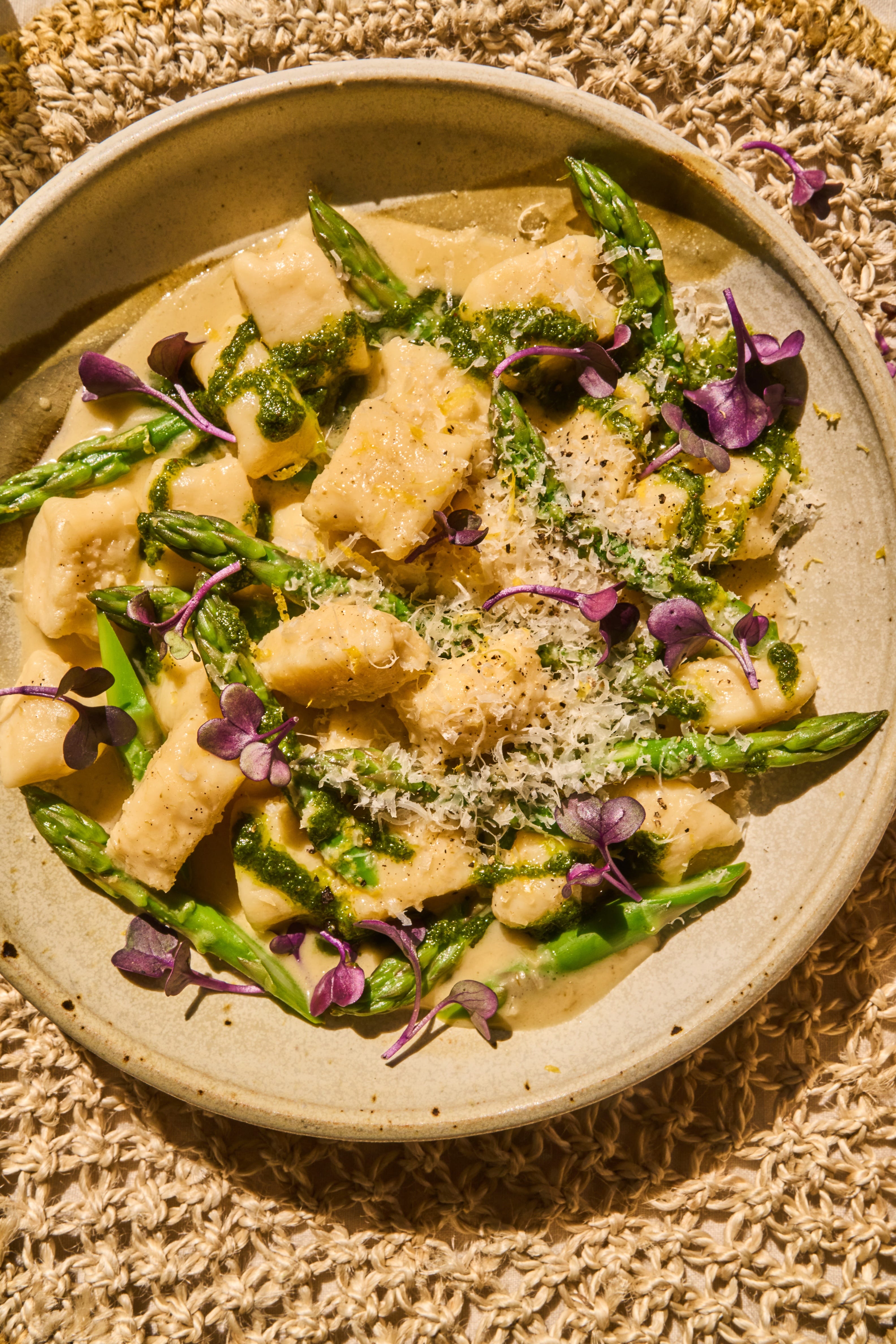
Brianna Plaza: Tell me a little about the cookbook and why it was the right time to write one.
Claire Wadsworth: We started working on the book about three years ago. We had a literary agent walk into the restaurant and wait two hours for a table. It was one of those crazy days where we had crazy wind gusts and it was really cold. He came up to me at the end of the meal and said, “I’ve never waited two hours to eat anywhere in my life and it was worth every minute. Would you consider making a cookbook?” He worked with us through the whole proposal and it was perfect timing.
We had to go through a decade worth of recipes and of course, people were still like the steak sando is not in there or the fish cakes aren’t in there! We can’t put every single recipe in there!
Nikki Hill: It felt appropriate to tie it to a milestone 10 years. But the recipes that are in there start before 10 years because we had the brunch cart. We needed to start with our younger selves and release some of those recipes. We might have another cookbook in the future, but with this book we can free ourselves of some of the earlier things we did. It’s a cool way to feel the freedom to continue to put recipes out there.
Claire Wadsworth: It’s like musicians. You have to put an album out to put the next album out. We got to put out 10 years worth of recipes and we went over every single one. We looked at every special we did and really did select the dishes that we felt most represented the first decade.
Brianna Plaza: I really love the extremely extensive condiment section in the book. Why was having that kind of section important?
Claire Wadsworth: First of all, it was out of necessity because every dish had so many sauces on it. We had to do it, but also a lot of our sauces are the constants on the menu. We’ll change the dish, but the sauce stays the same. We’ll use it in multiple dishes.
Nikki Hill: A lot of our flavors are meant to go together. So even if you make a condiment or sauce and you have extra, it goes well with other things. That’s intentional when you make a menu anyway.
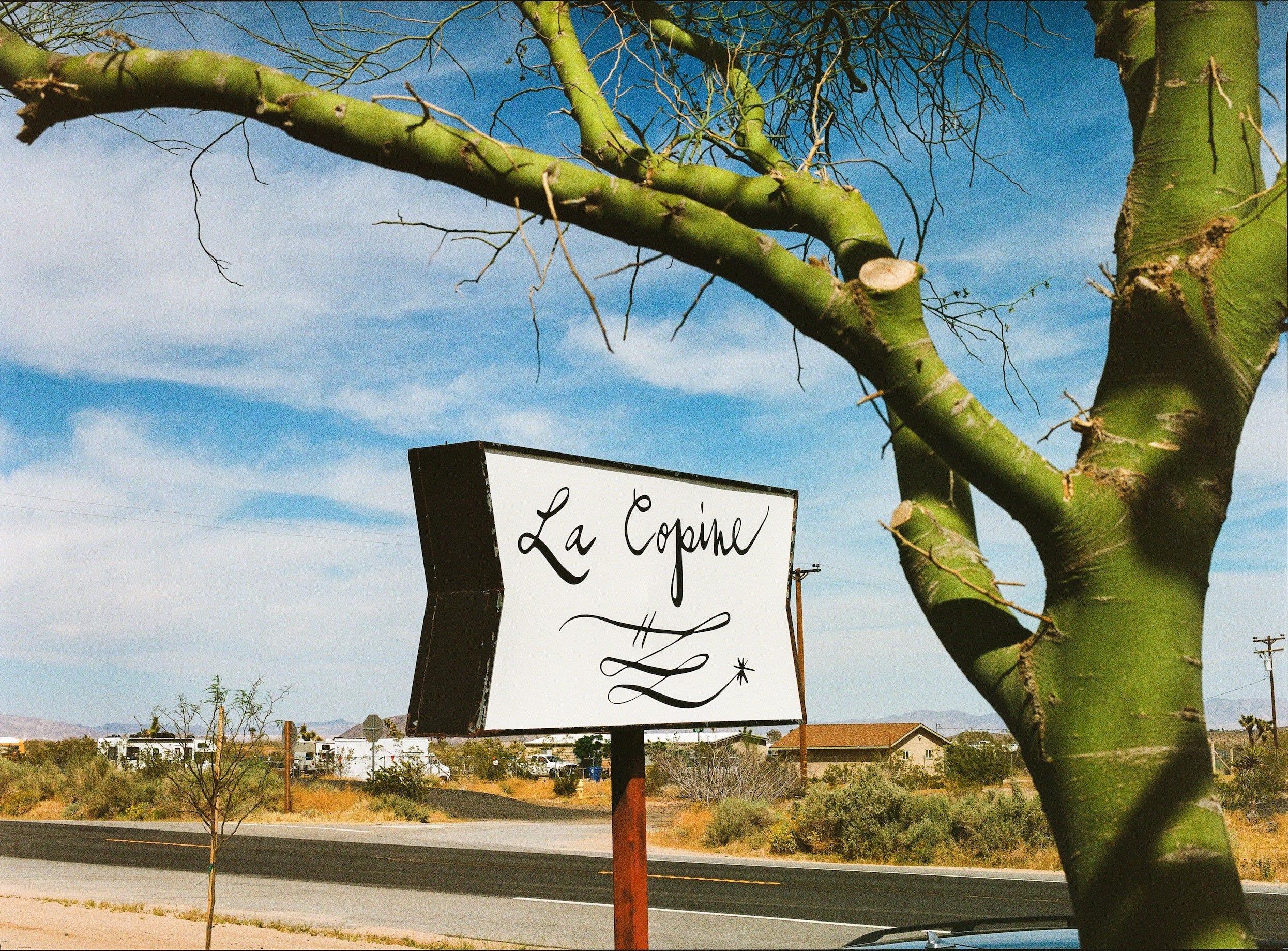
Brianna Plaza: How do you define your style of California cooking?
Claire Wadsworth: Ours is like taking Chez Panisse and putting it in the desert where you don’t have access to the farmers backing up to your door. We just don’t have that but we put the same effort in. We have access to incredible produce now, but in our first few years, no one would come to us and we had to do all of our own shopping.
The desert is already challenging and we’re going to have to deal with more challenges in the future related to climate change. Thinking about a future where farms are disappearing and we have to make really delicious food from grocery store produce. It’s a luxury, going to a farmers’ market.
Nikki Hill: I think our style of cooking is more craveable food with the intention of making it lighter and brighter. We have all of the things to be an omnivore-friendly menu, but also keeping in mind that people have a lot of food restrictions. Intentional, craveable comfort food with inclusivity in mind.
We needed to appeal to the locals, some of who have never left the Yucca Valley and don’t really know what modern cuisine is, and also appeal to the retreat seeking people who come from all over the world to make everybody feel like they can order something.
Brianna Plaza: Working with a romantic partner can be hard. How do you stay grounded in your individual selves while running a restaurant?
Claire Wadsworth: We are only open four days a week for that reason. People always tell us we could be open a lot more, and we’re like yea, but we would have to be there because we’re running it.
Nikki Hill: Our intention from the very beginning was that if we’re going to be super remote, that’s a risk. Maybe it won’t be busy, maybe it will be. But we’re going to set ourselves up to have work-life balance, which a lot of restaurants don’t have. We thought, if we’re going to do this, we’re going to have to set boundaries for ourselves and each other.
Claire’s primary goal is to be recording her music more. It took 10 years to get to this place of balance. We now have 25 employees and we’re able to not be there on our days off. We wanted to figure out how we could hang out more and that’s why we started the business. We do keep our individuality, but we still love hanging out not at work. We don’t get sick of hanging out, which is insane.
Claire Wadsworth: But we do have to say, okay, let’s clock out. Having boundaries are really important.
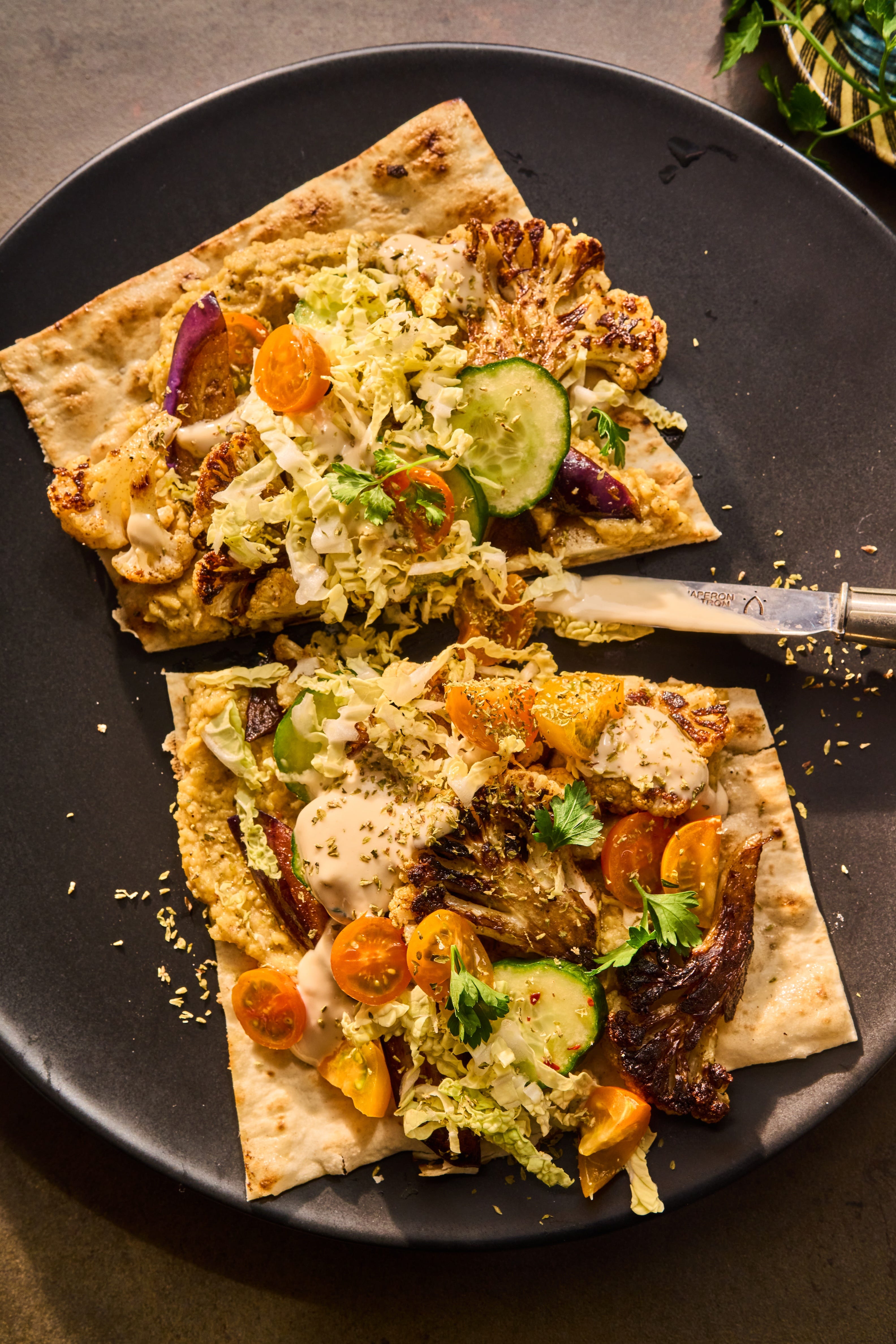
Brianna Plaza: This year, Pride feels more contentious than ever. How do you show up for your restaurant and your community?
Claire Wadsworth: When we bought the restaurant, the guy that we bought it from was called The Hero. He was always doing fundraising dinners, so we felt that we had big shoes to fill. We donate a lot to the Mojave Desert Land Trust, and that’s number one because they’re protecting all of the land that surrounds the restaurant. It’s what brings people to the restaurant, so we need to give it back. We also raise money for a local elementary school.
Nikki Hill: As for the LGBTQ stuff, I think first and foremost, we’re women that run our business and we’re out to the community. All of the people that want to work at La Copine wanted to feel comfortable, and it’s just a place where you can really be yourself. Hate and meanness, in general, are not tolerated in our business.
Claire Wadsworth: In 2018, Bon Appétit asked if we could put the word queer in the title of the article about us. We had a conversation with people that we trust and they said, “Do it because you’re going to let other people know that they can do it too.” We started doing drag shows and we painted the side of the building to let people know we’re not going anywhere. We do feel a responsibility to the queer community of Joshua Tree.
If we are living in our truth, then young kids that are growing up in Yucca Valley are going to be inspired by it. We can inspire people to go out there and be themselves.
Nikki Hill: People feel comfortable wearing what they want to wear, talking how they want to talk. It’s a super open place where everyone can be themselves.