

The Diaspora Spice Co. Cookbook is about spreading the culture of South Asian cooking
A conversation with Sana Javeri Kadri and Asha Loupy about their new cookbook.

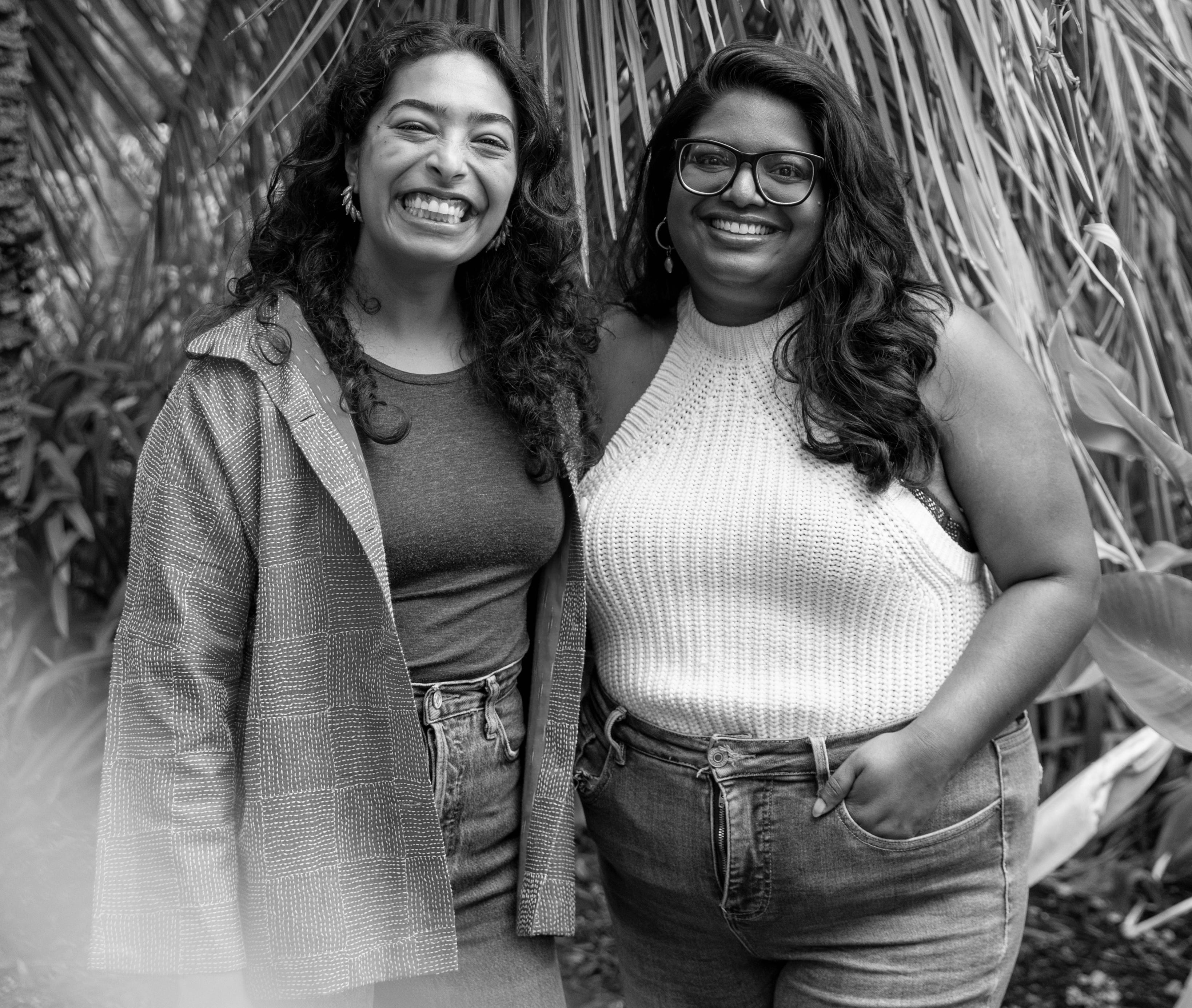
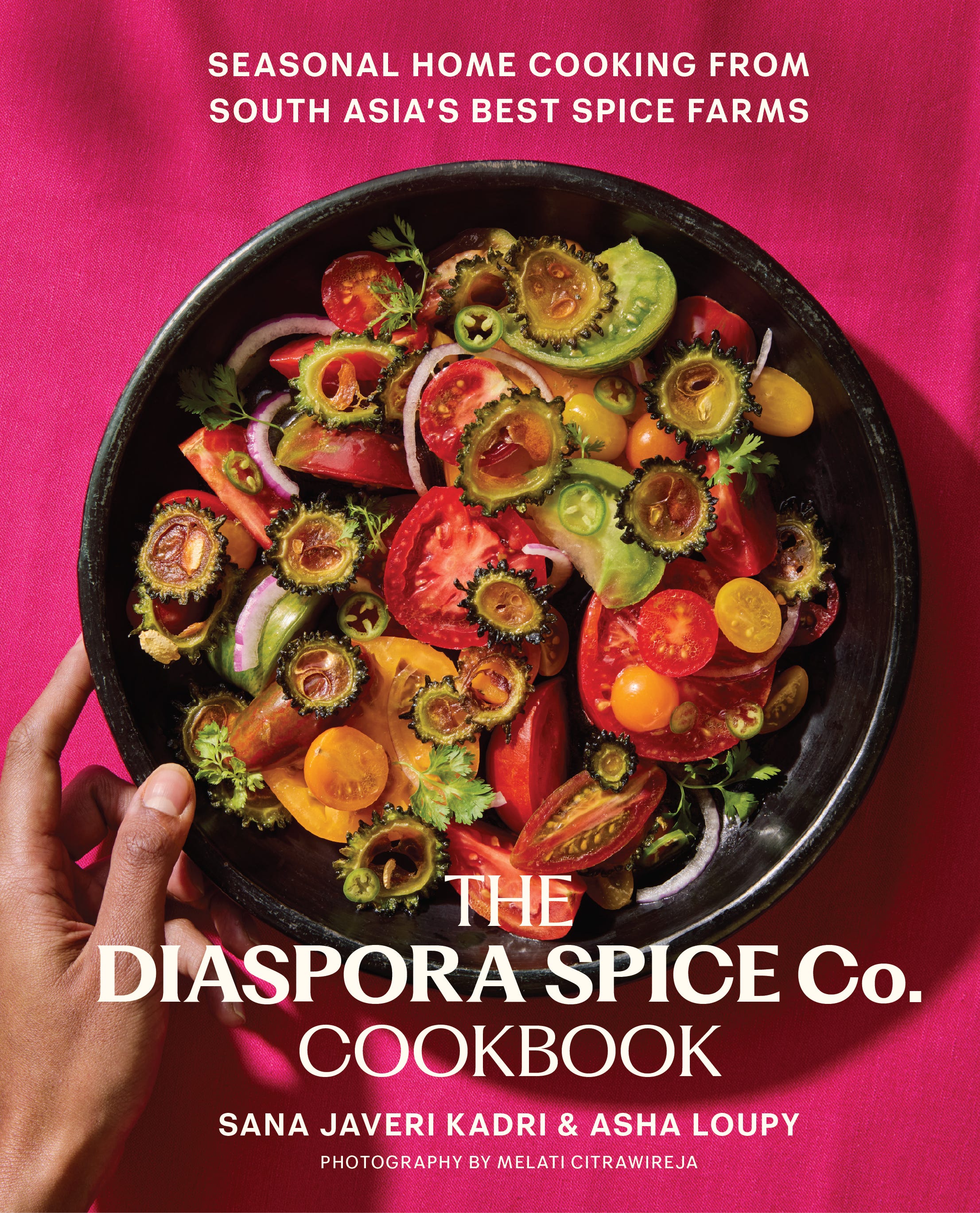
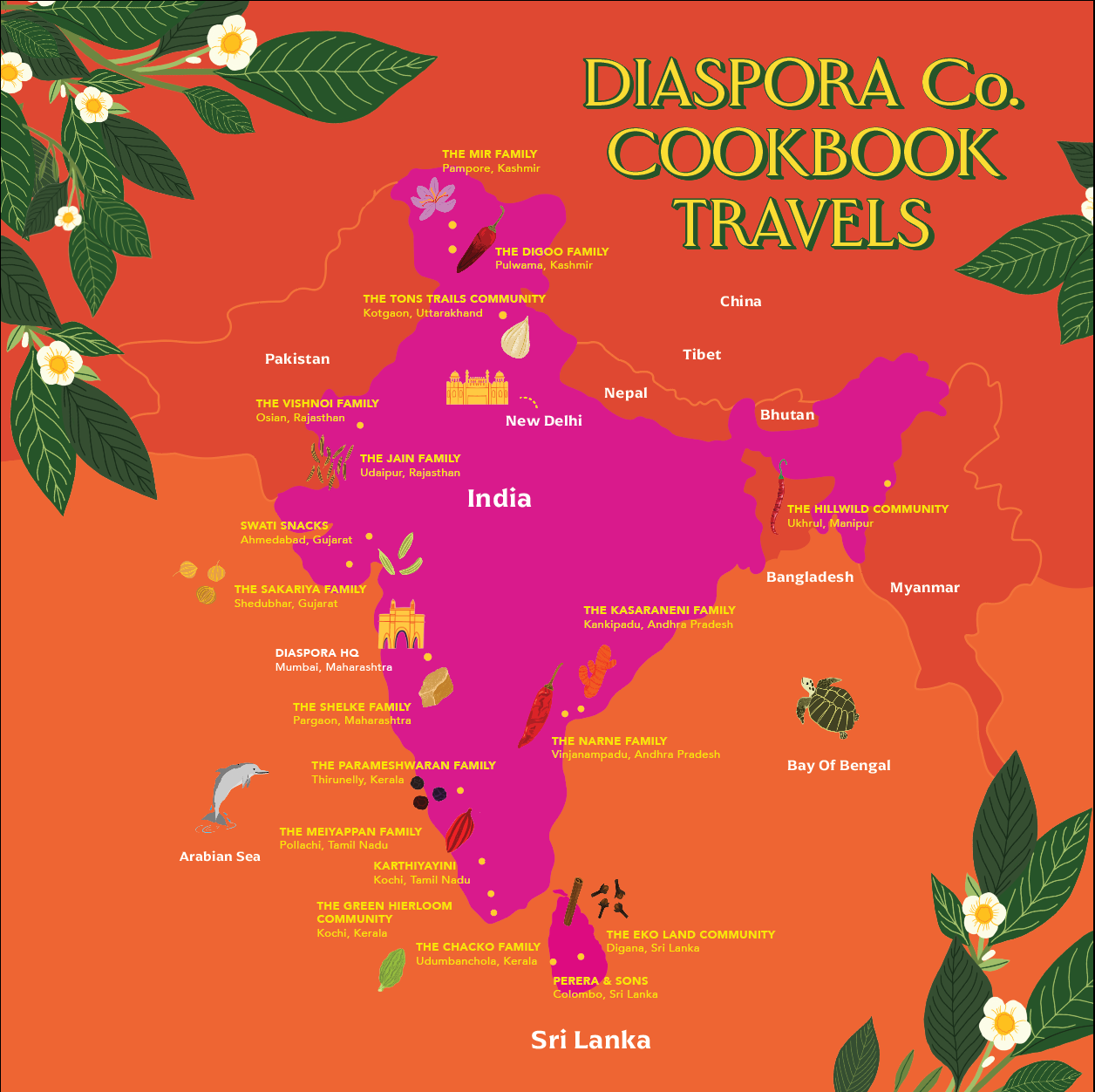
Sana Javeri Kadri is the founder of Diaspora Spice Co., a farm-to-table spice company that puts equity, transparency, and high-quality products at its forefront. Asha Loupy is Diaspora’s long-time recipe editor. Together, they wrote The Diaspora Spice Co. Cookbook which is out today! The book is a highly personalized guide to cooking with spices and incorporating South Asian techniques and flavors into your everyday home cooking. To write the book, they traveled to their partner farms across India and Sri Lanka to gather heirloom family recipes and then adapted them to a global pantry. The recipes are highly cookable, incredibly delicious, and rooted in seasonality and freshness. We chatted about their path to writing a cookbook, working with their farming partners, and adapting South Asian spices and techniques to American kitchens.
Brianna Plaza: Can you both start by telling me how you got into the spice and cookbook writing business?
Asha Loupy: I got into the food business because I loved to cook. I started cooking when I was four years old, but I knew from a very young age that I didn’t have the disposition to work in a restaurant kitchen because I think if someone yelled at me, I would cry and walk out. My mom was an elementary school librarian and I loved cookbooks, so food writing just seemed like a really natural path to go down.
Out of college I worked for a specialty food company and learned a lot about ingredients. It was when I was working there that I learned of this woman that was bringing in turmeric. Then I bought it myself, and I tasted the turmeric that Sana was bringing in and I don’t think I’ve ever tasted real turmeric before. I started cooking with it and started tagging and tagging Diaspora on Instagram.
Sana Javeri Kadri: She very much slid into my DMs.
Asha Loupy: We started building a relationship that way and then I met Sana at different food events that we were both at, me as a grocery buyer and her as a purveyor.
One day she posted a cryptic story about needing 10 hours of work from someone and I reached out. She said she needed a graphic designer, which wasn’t me. But as the business grew, I came on part-time to help Sana start including recipes on the site. That then blossomed into coming on to work on the cookbook.
Sana Javeri Kadri: I was born and raised in Mumbai, and I moved to California for college. After college, I moved up to the Bay Area and started working at a specialty grocer. I was working on their marketing team, and I realized that even though they were bringing the most beautiful peaches and greens and fresh things, the minute something came from South Asia, it was inherently cheap and there was no transparency. The concept of farm to table was kind of thrown out the window.
This was my first job out of college, so at the ripe age of 22.5, I quit and bought a one-way ticket to India. I was like, “I am going to research turmeric.” My parents — who had partially-funded my college tuition — were horrified. I had pitched this story to Anthony Bourdain’s Roads and Kingdoms about who was growing the turmeric for this Golden Milk latte boom, but they were going to pay me $300 and my flight to India was $1500, so it was never a mathematically sound venture.
There are all of these beautiful, regenerative farms all across South Asia, and they don’t have access to markets. They’re just selling to the regular commodity market, and their product is mixed In with all this terrible stuff. The more I learned, the more I realized that the farmer in the conventional spice trade doesn’t make any money and the customer gets really stale products. With spices, fat is flavor, so the more oil content in spices, the more you will taste it on your palate, and the less you have to use. So customers were getting spices that had no oil content left in them at all.
So Asha never having tasted turmeric like this before was probably the thing I heard the most in the first couple of years in the businesses. People didn’t know how turmeric was meant to taste. I started with one farm and one spice in the fall of 2017. We sold out our first 2017 of turmeric in four days, which was amazing because I didn’t have an audience.
The Diaspora story has been so rooted in community rallying around us. Now, we work with about 140 farms, we’re in about 600 stores, and we have about 160,000 customers. I think the magic of Diaspora has been that we have this community of people who love us and that we are very accountable to. In a lot of ways, a book that highlights the people that grow the spices so that the people can be inspired to use the spices was a natural extension of the work.
Brianna Plaza: How do you find your sourcing partners?
Sana Javeri Kadri: It’s much easier because I’ve been in the game for almost nine years, so we’re kind of known. Between Pakistan, India, Sri Lanka, Bhutan, if there’s a farmer who’s regeneratively growing a spice or an herb, they’ll probably contact us. We’re known enough that people will say hi, or if we’re looking for something I will reach out to our partners and they will put me in touch with other people.
Back in the day, it wasn’t easy at all. I would say the first five years was me spending about three months of the year in India just visiting farms. I think I spoke with about 14 farms before I was able to finalize a fennel farmer. It took months before I was able to finalize our pepper partner. I joined a natural farming WhatsApp group and I would search for cumin and if I got any hits, I would then send voice notes to random farmers who didn’t speak the same language as me and hope they get back to me. It was a lot of showing up via trains, planes, and buses with my bad haircut and jumpsuits being like can I buy some spices?
I would show up to their harvest and buy the entire year’s crop and they had no idea if I’d even pay their bills. Money is the best indicator of trust, so we’d always pay on time and always buy what we promised.
Brianna Plaza: Why did you decide a cookbook was the next evolution of your brand?
Sana Javeri Kadri: I am very much a CEO who lives in spreadsheets and does managerial things. I have always wanted to write a cookbook, but skills to write a cookbook I did not have. So when Asha joined us in 2020, we started tossing around the idea a bit.
There were a few routes we could have gone. Asha was already developing beautiful recipes for our website that were spice-forward, but were pretty California-ish, which is how we eat and cook. Another route was recipes that I grew up cooking and my origin story as the origin story for the business, since spices are rooted in India and I am rooted in India.
Growing up in India, I had a pretty colonized childhood because I went to British schools. So when I think about black pepper, I would think about British tomato soup or a steak with a pepper sauce. I had no idea pepper was indigenous to South India. Or something like cardamom, you think about cardamom buns more than anything else, which is such a European mindset. It comes down to who had the power to create the archive and write down recipes and push culture forward.
I think ultimately, it was like let’s go to the people who grow these spices and see what they do with it. And this is where Asha really came in. She figured out how these recipes could work in an American kitchen. It cannot be a three-day process or rely on the fresh harvest of some obscure vegetable. How do we adjust for that?
We wrote the proposal in 2021 and then really committed to the book for half a decade.
Brianna Plaza: You talked about adapting the book for American kitchens. I’m curious why you wanted to do that.
Sana Javeri Kadri: Ultimately I’m a business that sells spices to American and British home cooks. I don’t sell to Indian home cooks yet because we’re an export business. So my recipes have to be accessible to the people cooking with the spices. Not a single one of our farm partners has an oven, but an oven is a very significant American home appliance. American home kitchens don’t have giant sil battas to grind their own spices, we’re going to do it in a blender. So, for me, I want to make the recipes accessible to my customer and I want them to be cooked as broadly as possible. It’s not a cookbook specifically or exclusively for our farm partners. It’s about spreading the culture further and making it as accessible as possible.
Asha Loupy: I think in making this cookbook, because we’re also a company that sells spices, we want to make it so people actually cook out of it. We don’t want it to become this beautiful coffee table book that’s intimidating. I think one of the things I always hear people say when you start talking about South Asian cooking is I’m really intimidated by it. The ingredient lists are really long. There are techniques that I don’t necessarily know. I wanted this book to honor everything that we had learned in our travels, but also make it a book that can be a gateway into South Asian cooking in a very new way that’s not butter chicken, that’s not palak paneer.
We really wanted to showcase the spices and make it a book that is going to live in people’s kitchens and that they’re going to come back to. Even if they aren’t familiar with a certain technique, it will help them become more comfortable with using spices in general. When you’re selling a product, you don’t want someone to buy a jar of something and they put it in their pantry and have it languish there for years. Like I said, I worked in specialty food before this, and one of the things when you’re selling a product is you don’t want someone to just buy a jar of something and then put it in their pantry and have it languished there for three years. I want someone to make something and then feel empowered to keep using the spices and to be able to experiment and play with them in the kitchen.
Sana Javeri Kadri: To Asha’s point, what people have said to me over the years is, I love your company, but I don’t really cook South Asian food. I think my first response would be, the pepper you have doesn’t have to be used in just South Asian food. I’d also say now with this book in hand, now I have something else to teach you. So much of our job is education. When I started the company, no one was thinking about fresh spices — people would look at me like I was crazy. We’ve done a lot of education over the years on it, so I think a book is the next frontier of our education.
Brianna Plaza: How did you decide on what recipes to focus on and did you tailor the recipes to your product line?
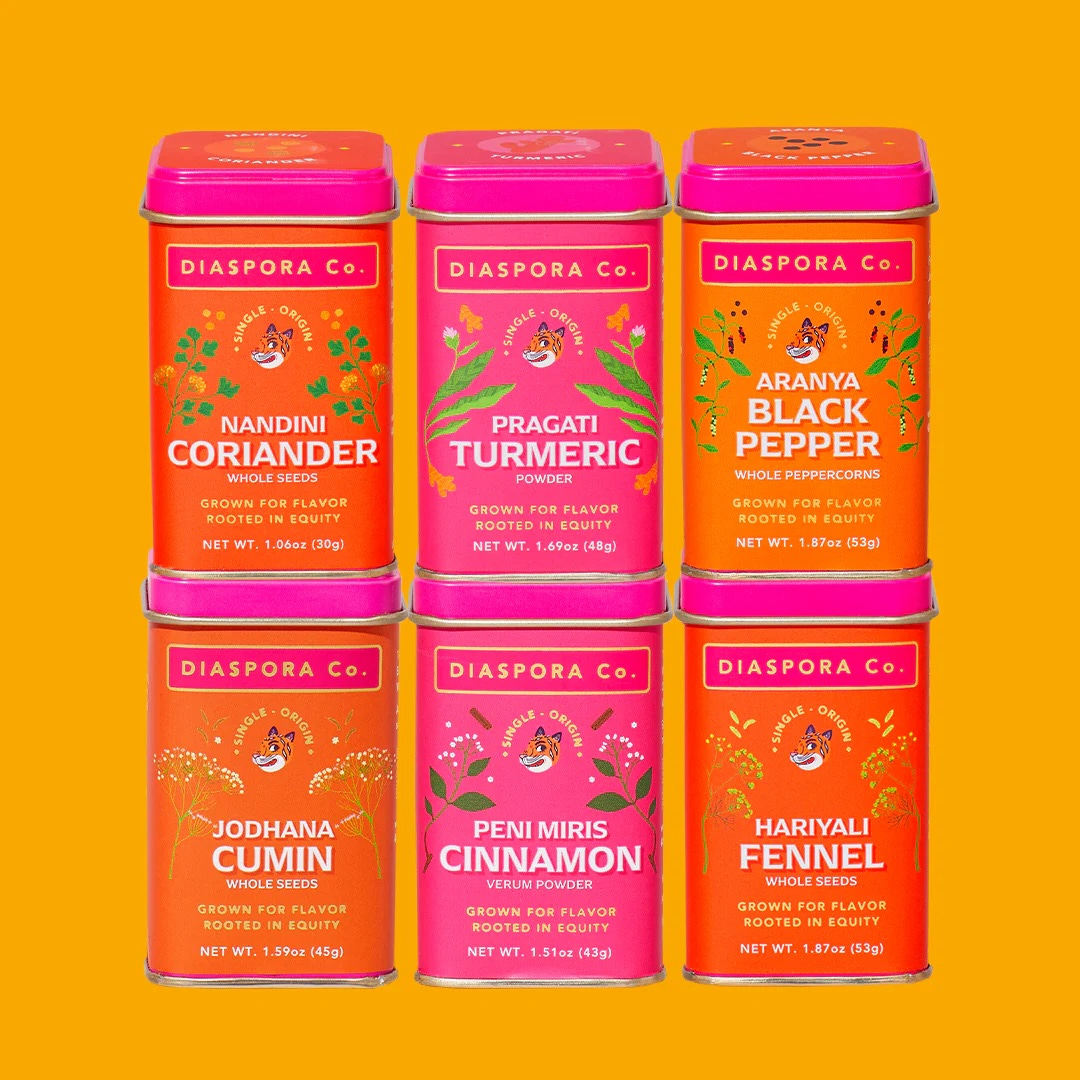
Sana Javeri Kadri: We very much did not tailor the recipes to the products. Our top-selling products are spice blends, and there is not a single spice blend used in the book because our farmers make their own blends. I sell more popcorn seasoning than anything else. I would say this book is about teaching people how to use the fundamental spices. We’re pretty clear when we say you can use our spices and there’s a note about how we tested this book with our spices, but you don’t have to use ours. This is about spice education, it’s not about Diaspora branded content.
Asha Loupy: On the road, we learned about 170 recipes. We’d go to a region, go to our farm partners, and be in the kitchen with the women there. But we would also have a day or two in a city in that region eating the food so we could get as wide a breadth of the region’s flavors. We’d taste different versions of dishes that I could taste and remember as much as possible. I had a tiny pink notebook that traveled with me everywhere.
On our break days, I would sit for a few hours and put all of my notes into Google Docs and start thinking about how I might adapt something when I got back to the States and was recipe developing. We knew this book was going to be very veggie forward, so I made a big veggie list and it was a list of all the possible veggies you could buy in the United States. We’d get these long, detailed research reports from our researcher before we met with our partners, and I would reference the list, and we’d discuss the gaps we needed to fill.
We ended up with about 120 recipes, which we submitted, but we were told we needed to cut that, so we painstakingly took it down to 85.
Sana Javeri Kadri: There were a lot of Zoom calls where we were like, you can keep this if I can keep that. A couple of the recipes we cut got put into a booklet that people got when they preordered. I think we have several thousand pre-orders right now, but out of those, about a thousand people have downloaded the pre-order booklet and started cooking their way through it, which has been really cute.
Brianna Plaza: How do you think about the fact that there are probably a million versions of these recipes and people likely have a lot of thoughts about what’s “authentic”?
Sana Javeri Kadri: I will never be able to sell or name a chicken recipes that represents the entire state of Andhra Pradesh because the state probably has over a million chicken recipes. What I can say is that our version is authentic to a personal experience.
Asha Loupy: There are so many ways that these dishes are cooked. We’re translating these recipes from a specific family. There are probably millions of people who are cooking these recipes, but they’re not written down.
Sana Javeri Kadri: Most of what we have documented in the book has not been archived before. There’s probably an oral history to it, and it’s very regionally important, but especially in English, it hasn’t been written down. It’s also really important to document these recipes and then be as historically and culturally accurate because we have both the privilege and the burden of being the archivists.
Brianna Plaza: I am actually fairly unfamiliar with South Asian cuisine. When I get this book, where is the best place to get started?
Asha Loupy: The singju is a great place to start because it’s a cabbage salad. In Manipur, the salad has a bunch of crunchy things in it and a bunch of fried things. We ended up doing oven roasted beans and crushed up ramen. I grew up eating this very vinegary cabbage salad that you top with crushed ramen noodles and brought to backyard barbecues. It is very reminiscent of that in my mind, and it uses I think one spice. So it’s a short ingredient list.
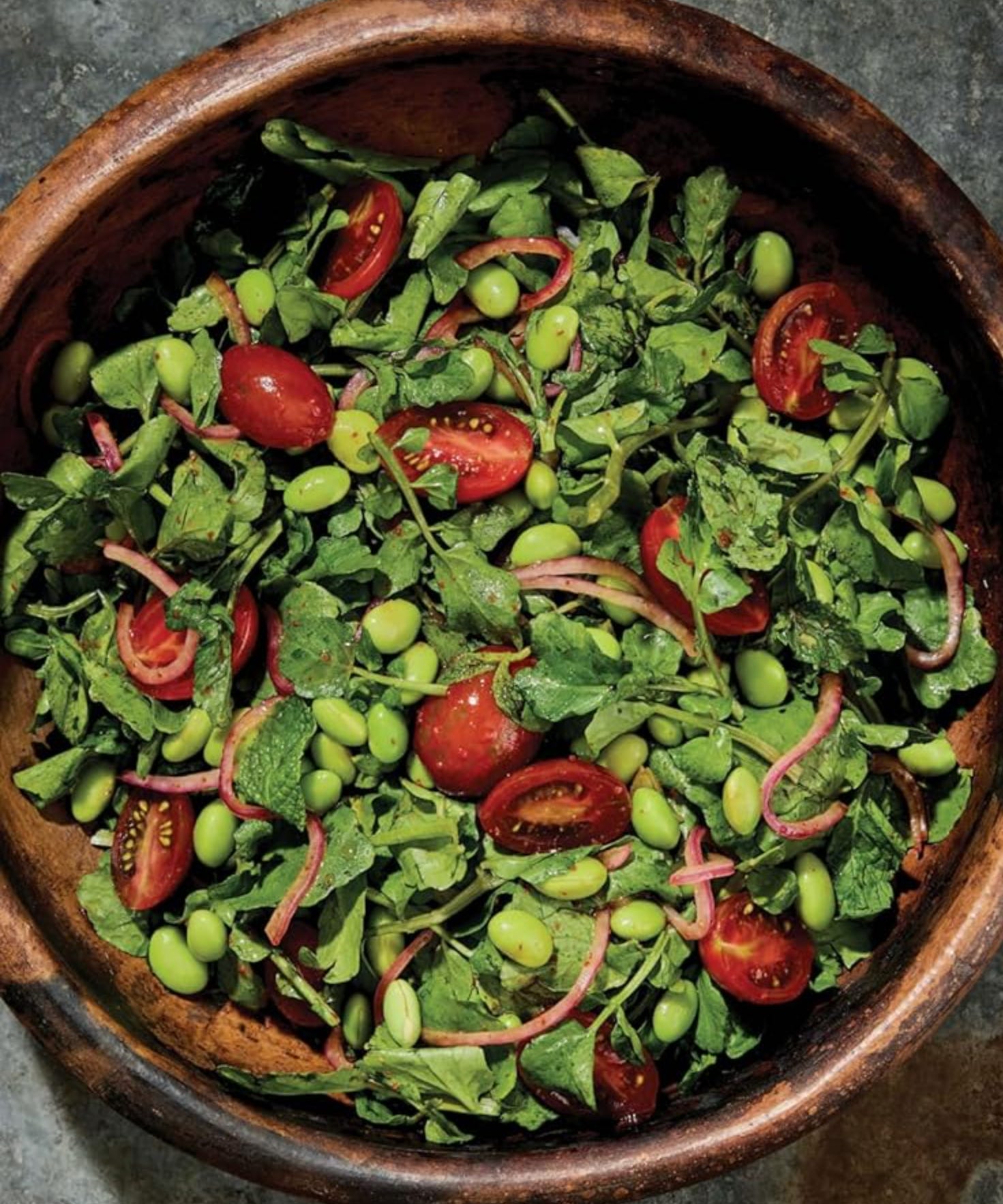
The cherry tomato and edamame salad is based off of a soybean salad that we had there and when I first made it, I cooked dried soybeans and then I was like, what am I doing? They have edamames in the store. And the Sri Lankan dal is also great.
Sana Javeri Kadri: I feel like once you learn how to make dal, what you’ve learned is how to cook aromatics and spices at the beginning. You’re adding your liquid, then you’re cooking the spices some more, and then you’re adding toasted spices and oil on top. So you’re immediately understanding how you need to layer spices to get depth of flavor in a dish, and I feel like understanding that technique then unlocks something like a curry.